Shinjuku Gyoen Cherry Blossom Guide
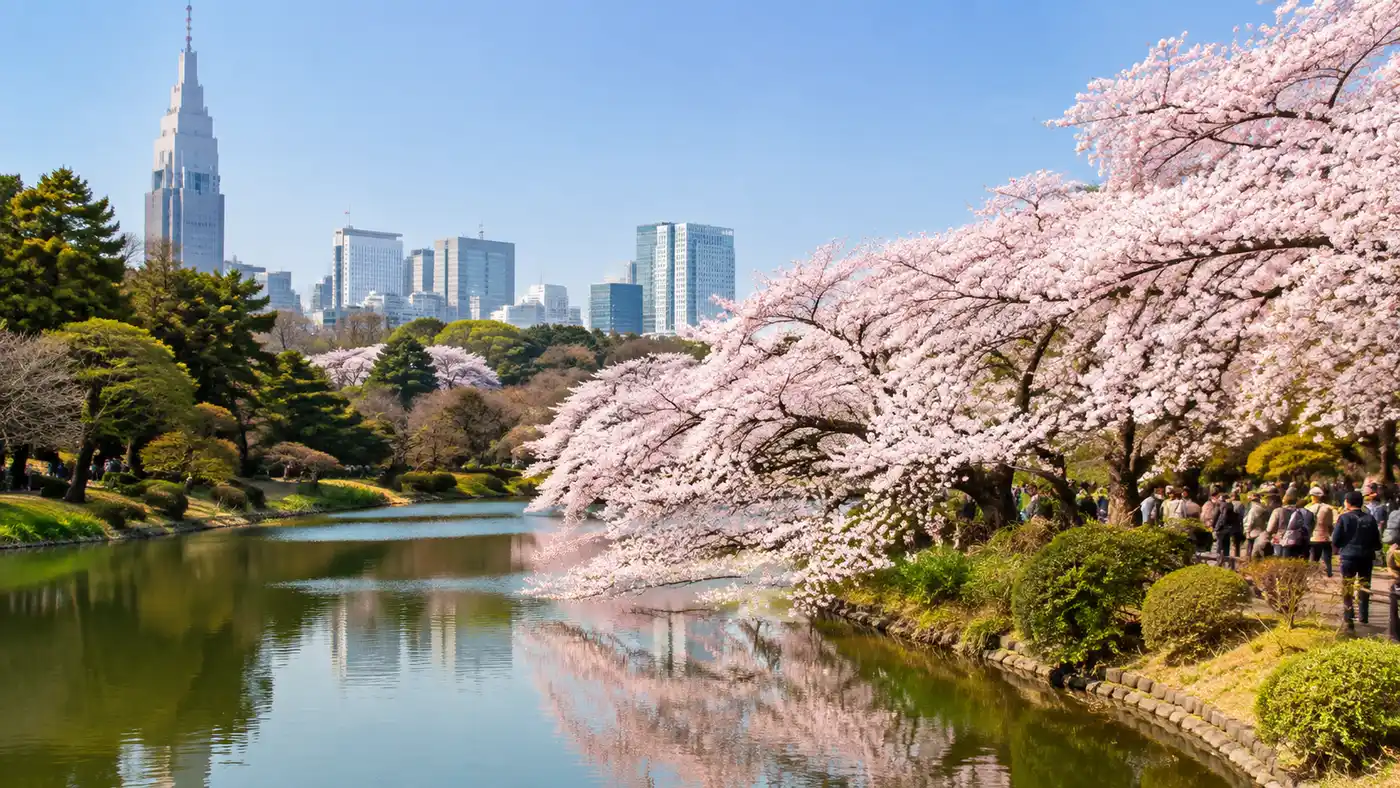
Tokyo truly transforms when the sakura bloom, and honestly, one of the most magical places to experience this annual spectacle is Shinjuku Gyoen National Garden. This expansive urban oasis offers a breathtaking display of the delicate pink and white flowers, making a visit during the Shinjuku Gyoen cherry blossom season an absolute must for any traveler. You get a real sense of peace here, despite being right in the middle of a bustling city. This guide will walk you through everything you need to know about experiencing the sakura at Shinjuku Gyoen. We will cover the best viewing spots, the different types of cherry trees you might find, and some practical tips to make your visit smooth and memorable. Prepare for some truly stunning photo opportunities.Book your Shinjuku Gyoen experience:
Timing Your Visit for Peak Shinjuku Gyoen Sakura
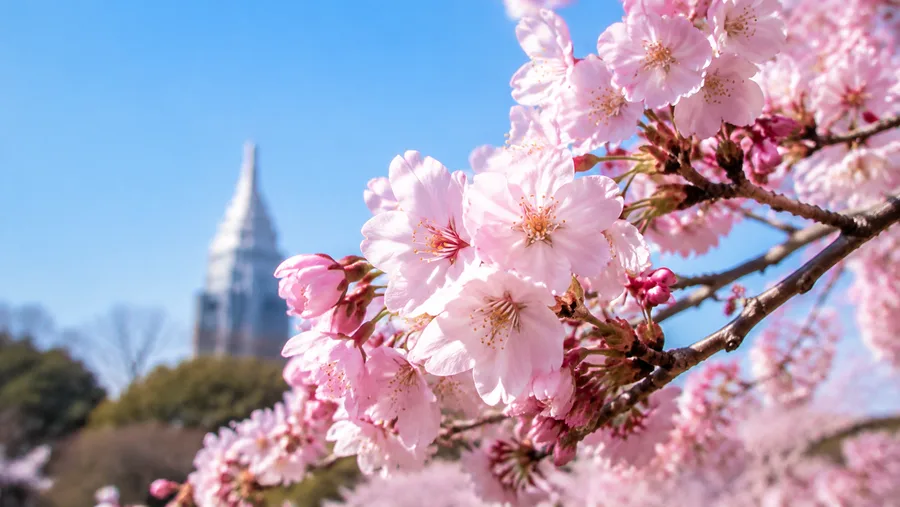
Predicting the exact peak bloom for cherry blossoms in Tokyo can feel a bit like forecasting the weather a year in advance – it is tricky. Generally, the main wave of Somei Yoshino cherry trees, the most common type, hits its stride in late March or early April. However, Shinjuku Gyoen is special because it boasts over a thousand cherry trees representing more than a dozen different varieties. This means the sakura season here actually stretches out quite a bit longer than in many other parks. You will find early-blooming varieties like the Kanzakura starting to show their colors as early as mid-March. Then the main event, the Somei Yoshino, takes over. After that, the late-blooming Yaezakura, with their denser, multi-layered petals, keep the show going well into mid-April, sometimes even late April. I remember one year, I thought I had missed everything, but then I went to Shinjuku Gyoen around April 18th, and it was still absolutely gorgeous with the late bloomers. It is a good idea to check local forecasts or even social media closer to your travel dates for the most up-to-date predictions for Shinjuku Gyoen cherry blossom 2024 or Shinjuku Gyoen cherry blossom 2025.Pro tip: Aim for a weekday morning right when the garden opens. The crowds are significantly thinner, and you get to enjoy the quiet beauty of the sakura shinjuku gyoen without too many people in your shots. It makes a huge difference, believe me.
Best Spots for Shinjuku Gyoen Cherry Blossom Viewing
Navigating Shinjuku Gyoen National Garden can be a bit overwhelming if you are only focused on the sakura. It is a big place, covering 144 acres. There are three distinct garden styles here: the traditional Japanese Landscape Garden, the French Formal Garden, and the English Landscape Garden. Each offers a different backdrop for the cherry blossoms. The English Landscape Garden is probably your best bet for a classic hanami experience, though picnicking rules are strict here. It has expansive lawns dotted with hundreds of cherry trees. You will find many people sitting on tarps enjoying the view. The Somei Yoshino trees are particularly abundant in this area. It is honestly one of the most popular spots for shinjuku gyoen hanami. Another fantastic area is around the central pond in the Japanese Traditional Garden. Here, the weeping cherry trees (shidarezakura) are truly stunning, their branches cascading over the water. The combination of traditional bridges, meticulously manicured pines, and the soft pink blossoms reflecting in the pond creates a postcard-perfect scene. You can easily spend an hour just wandering around here. The Momijiyama area is also worth a look, though it is more famous for autumn leaves, some cherry trees are scattered there too. For more general information on exploring the garden's other features, you might want to read our article on Exploring Shinjuku Gyoen: Gardens, Greenhouse & Facilities.Note: While Shinjuku Gyoen is perfect for cherry blossom viewing, alcohol is strictly prohibited within the garden. Also, certain areas might have restrictions on sitting or picnicking on the grass, especially near delicate plantings. Always look for signs.
Key Cherry Tree Varieties and Their Bloom Times
- Kanzakura: These are early bloomers, often appearing in mid-March. Their petals are a vivid pink, offering the first signs of spring.
- Somei Yoshino: The iconic Japanese cherry tree, known for its pale pink, almost white blossoms. These typically reach peak bloom in late March to early April.
- Yamazakura: Wild cherry trees with slightly larger, darker pink flowers, often blooming around the same time as Somei Yoshino.
- Ichiyo: A late-blooming variety, usually seen in mid-April. Its flowers are a beautiful soft pink with many petals, giving a full, fluffy appearance.
- Fugenzo: Another late bloomer, often blooming around mid to late April. These have large, double-petaled pink flowers that are quite striking.
- Kanzan: A very popular late-blooming yaezakura type. Its deep pink, multi-layered blossoms create a dramatic effect, usually peaking in mid to late April.
Getting There and Shinjuku Gyoen Cherry Blossom Hours
Getting to Shinjuku Gyoen is quite straightforward, which is one of its major appeals. There are three main gates: Shinjuku Gate, Okido Gate, and Sendagaya Gate. The Shinjuku Gate is probably the most convenient if you are coming from Shinjuku Station, about a 10-minute walk. The Okido Gate is close to Shinjuku-Gyoenmae Station on the Marunouchi Line, maybe a 5-minute stroll. Sendagaya Gate is best if you are arriving from Sendagaya Station. Each gate offers a slightly different entry point into the garden, so you might pick one based on where you want to start your cherry blossom hunt. For detailed directions, you can check out our article on How to Get to Shinjuku Gyoen & Entrance Gates. During the Shinjuku Gyoen sakura season, the garden is usually open from 9 AM to 5:30 PM, with last entry at 5 PM. Sometimes, they extend the hours a little bit during peak bloom, but that is not always guaranteed. It is closed on Mondays, unless a national holiday falls on a Monday, then it is open and closed the following day. I always double check the official website before heading out, especially during special seasons. You can find more specific details on opening times and best visiting periods in our article Shinjuku Gyoen Opening Hours & Best Time to Visit.Before you dive deep into the specific blooms, make sure to check out our Shinjuku Gyoen cherry blossom main page for general park information.
Book your Shinjuku Gyoen experience:
Beyond the Blossoms: Other Things to See at Shinjuku Gyoen
While the main draw during spring is definitely the Shinjuku Gyoen cherry blossom, the garden has so much more to offer. Even if you arrive a little early or late for the main sakura display, you will still find plenty to appreciate. The Greenhouse, for example, is fantastic. It houses a huge collection of tropical and subtropical plants, and it is warm and humid inside, which can be a nice escape on a chilly spring day. I always pop in there for a few minutes. The traditional Japanese Tea House, Rakuu-tei, offers a quiet spot for reflection. You can enjoy a cup of matcha tea while overlooking a serene pond, which is a lovely, peaceful experience away from the busier cherry blossom areas. It is a genuine piece of old Japan right in the city. The French Formal Garden, with its symmetrical flowerbeds and towering sycamore trees, provides a striking contrast to the more naturalistic English and Japanese gardens. It is a great place to wander and just enjoy the scale of the place. Honestly, the variety of landscapes within one park is really impressive.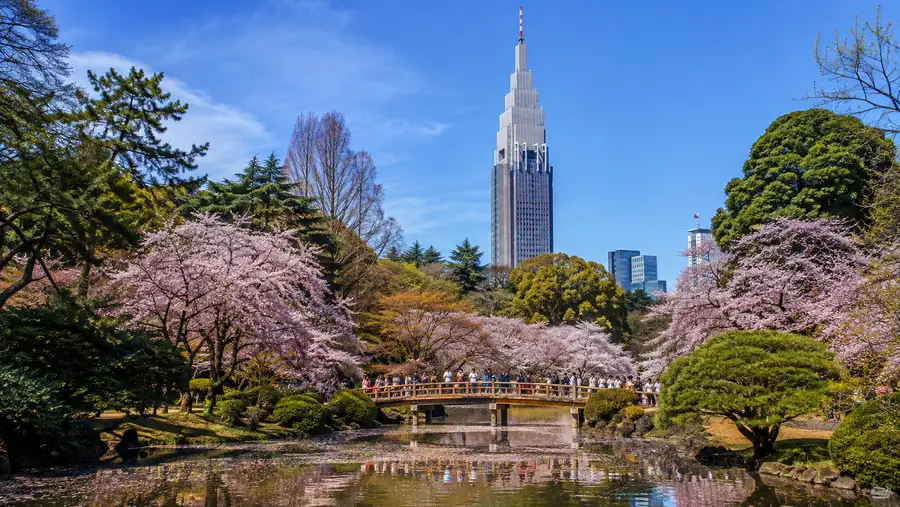
Comparing Shinjuku Gyoen Cherry Blossoms with Other Spots
Tokyo has many famous cherry blossom spots, and sometimes people ask if Shinjuku Gyoen National Garden cherry blossom is truly the best. I think it depends on what you are looking for. Ueno Park is famous for its lively atmosphere, with lots of food stalls and huge crowds picnicking under the trees. Chidorigafuchi Moat offers stunning boat rides under tunnels of blossoms. Meguro River is beautiful at night with its illuminations. What sets Shinjuku Gyoen apart is its sheer size and diversity of cherry trees, which means a longer blooming season. It also offers a more serene, park-like experience compared to the party vibe of Ueno or the more urban setting of Meguro. It feels more like a grand garden sanctuary. The strict rules against alcohol and loud parties also contribute to a calmer atmosphere. If you want to really appreciate the beauty of the sakura in a more contemplative setting, Shinjuku Gyoen is hard to beat. It is a national treasure for a reason.| Cherry Blossom Type | Approximate Bloom Period | Key Characteristics |
|---|---|---|
| Kanzakura | Mid-March | Early bloomer, vivid pink petals, signals start of season. |
| Somei Yoshino | Late March - Early April | Most common, pale pink to white, classic sakura shape. |
| Ichiyo | Mid-April | Late bloomer, soft pink, many petals, full and fluffy. |
| Kanzan | Mid-Late April | Very late bloomer, deep pink, multi-layered petals (yaezakura). |
Frequently Asked Questions about shinjuku gyoen cherry blossom
When is the best time to see Shinjuku Gyoen cherry blossoms?
The best time to see Shinjuku Gyoen cherry blossoms is typically from late March through mid-April, because the garden features many varieties that bloom at different times.
Can you picnic under the cherry trees at Shinjuku Gyoen?
Yes, you can picnic under the cherry trees, especially in the English Landscape Garden, but alcohol is strictly prohibited, and certain areas might have restrictions on sitting on the grass.
Are there early or late blooming cherry trees in Shinjuku Gyoen?
Absolutely, Shinjuku Gyoen is famous for having both early-blooming varieties like Kanzakura and late-blooming Yaezakura types such as Ichiyo and Kanzan, extending the sakura season significantly.
Quick Reference
- Over 1,000 cherry trees
- More than a dozen varieties
- Season: Mid-March to Late April
- No alcohol allowed
- Entry fee applies
Book your Shinjuku Gyoen experience:
My Take on Shinjuku Gyoen Cherry Blossom
Visiting Shinjuku Gyoen for the cherry blossoms is an experience I recommend to everyone heading to Tokyo in spring. The sheer number and variety of trees mean you have a good chance of seeing beautiful blooms, even if your timing is a little off for the main wave. It offers a peaceful escape from the city's hustle, a place where you can truly slow down and appreciate the delicate beauty of sakura. Bring a good camera, maybe a small blanket for sitting on the designated lawns, and just let yourself get lost in the pink and white splendor. It is a memory you will cherish, honestly.Read more about Shinjuku Gyoen.