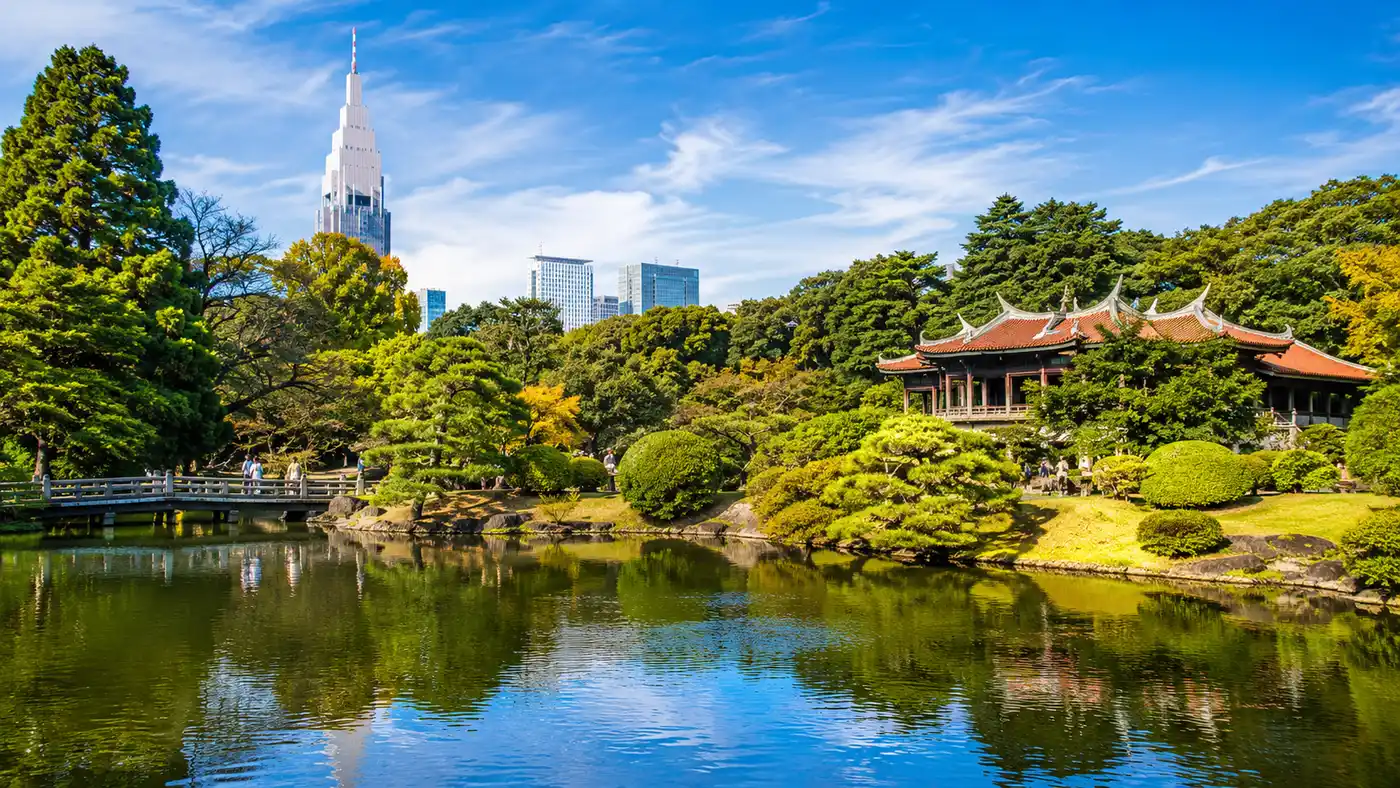
Exploring Shinjuku Gyoen: Gardens, Greenhouse & Facilities
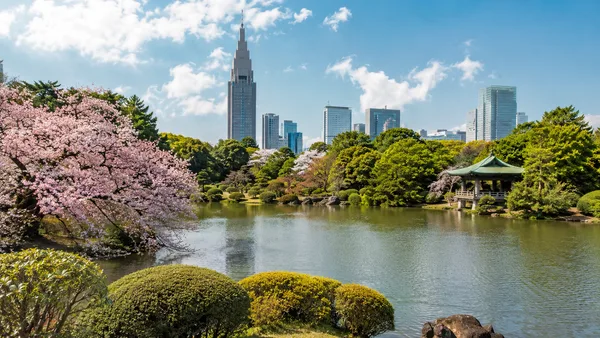
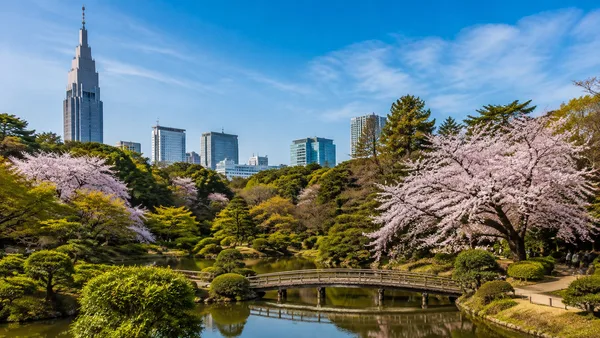
Discover Shinjuku Gyoen's hidden gems: explore the lush shinjuku gyoen greenhouse, picnic spots, running routes, and …
Continue Reading →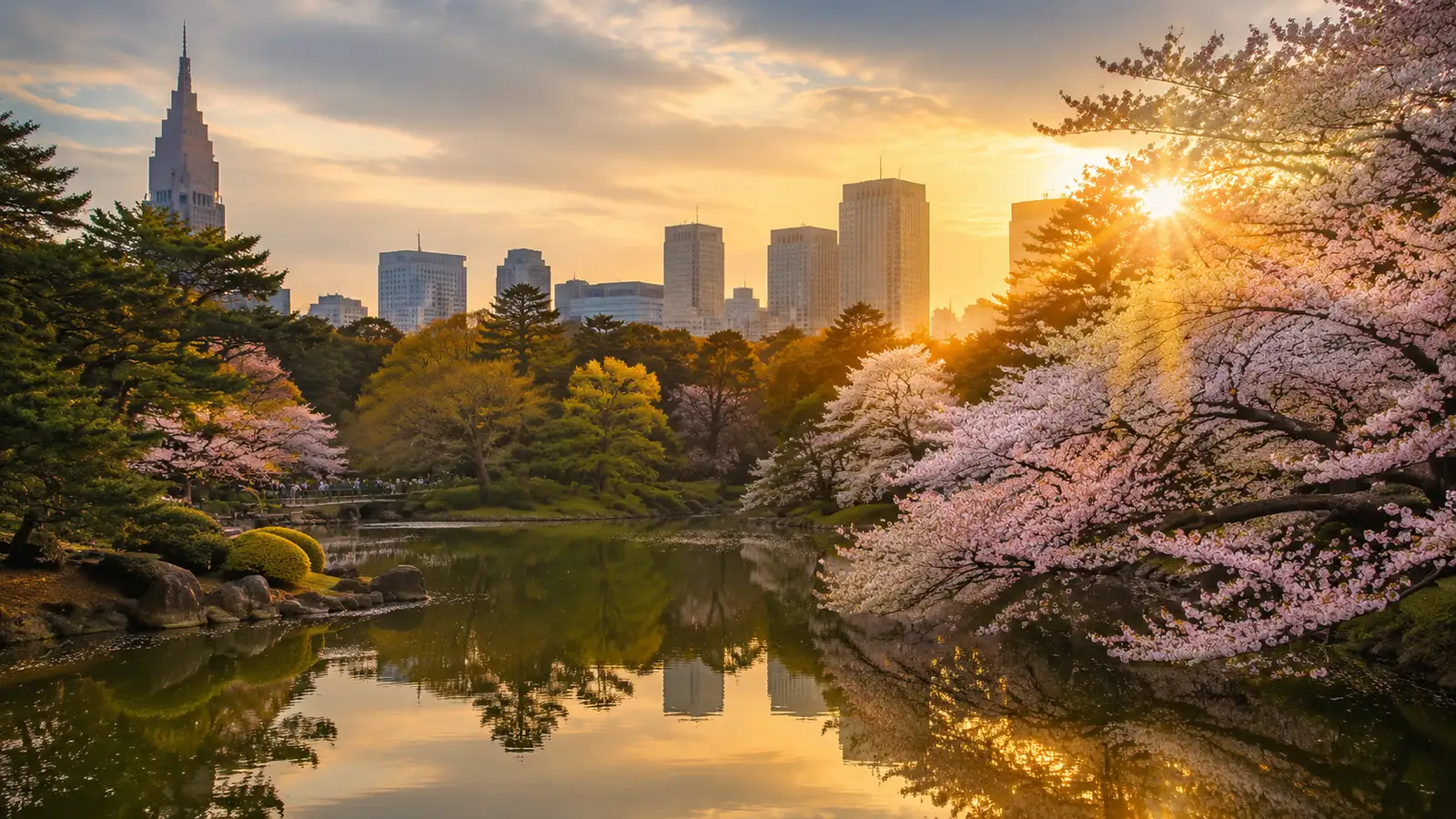
Escape the city's relentless buzz within Tokyo's most exquisite green space. Find profound peace among its varied gardens, from traditional Japanese landscapes to formal French designs.
Discover what makes Shinjuku Gyoen unforgettable.
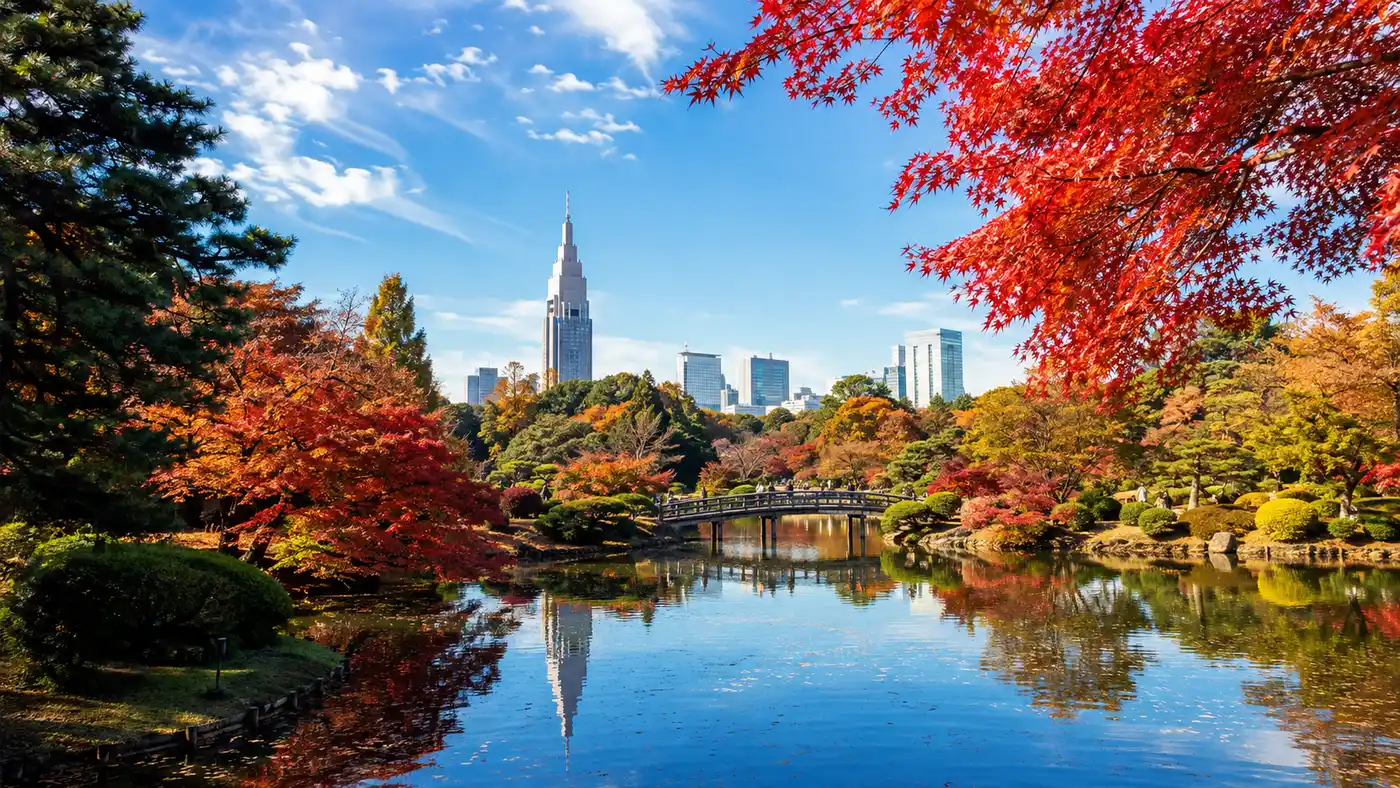
Shinjuku Gyoen transforms with each season, offering spectacular displays. Spring brings hundreds of cherry trees bursting into bloom, while autumn paints the landscape in fiery reds and golds. Even summer offers lush greenery and winter provides stark, quiet beauty.
Learn more →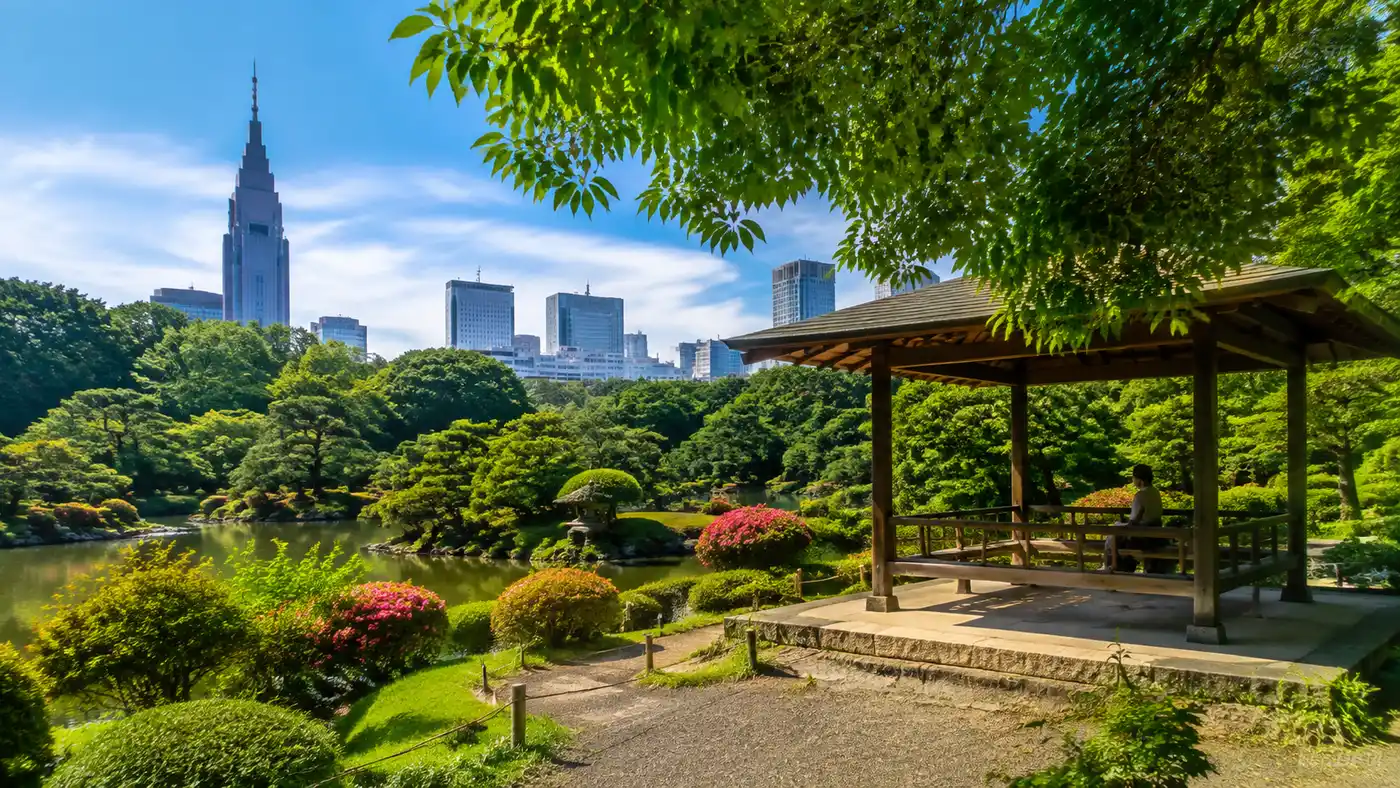
Step into the Rakuu-tei tea house for a peaceful break. Enjoy a cup of matcha while overlooking the Japanese Traditional Garden, a perfect moment of tranquility. It is a small but significant cultural immersion within the park.
Learn more →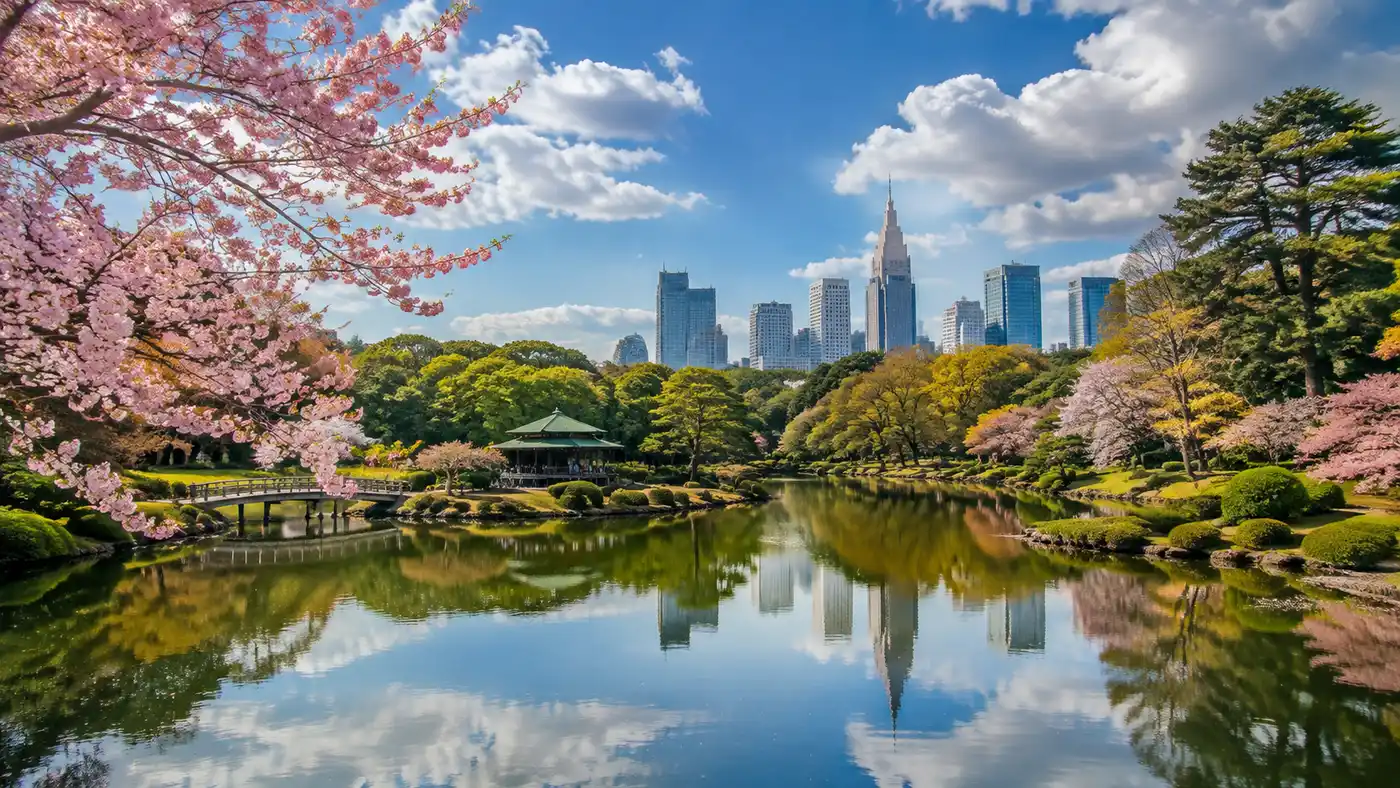
Our guide provides detailed maps and suggested walking routes to maximize your visit. Discover the best photo spots, find quiet benches, and learn about the history of each garden section. We help you make the most of your time here.
Learn more →
With its diverse landscapes, Shinjuku Gyoen is a photographer's dream. From the meticulously manicured Japanese garden to the open lawns of the English landscape, there is an endless array of beautiful compositions. Remember to respect other visitors while you shoot.
Learn more →What to expect from arrival to departure.
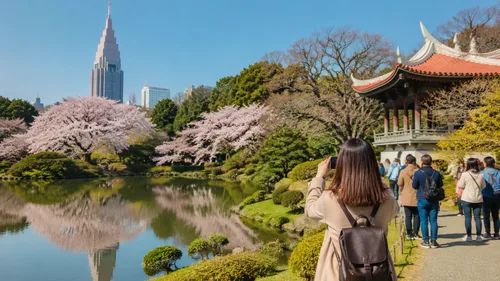
Choose your preferred entrance: Shinjuku-Gyoemmae, Okido, or Sendagaya. Each offers slightly different access points to the gardens.
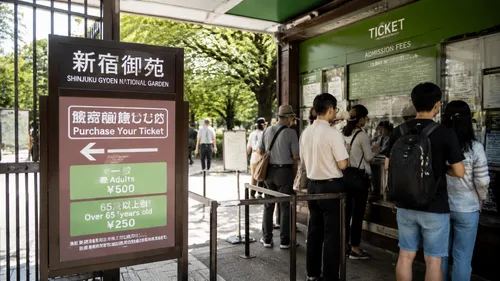
Use the automated ticket machines near the entrance. They are user-friendly and offer English options. Keep your ticket for scanning.
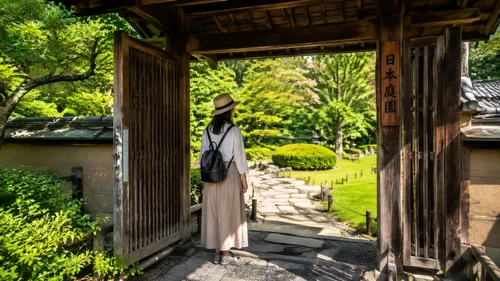
Many visitors enter via the Okido Gate, leading directly into the traditional Japanese Garden with its iconic tea house and serene ponds.
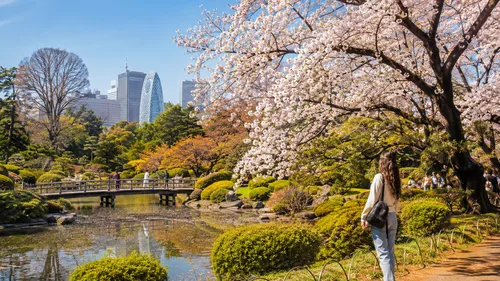
Explore the expansive English Landscape Garden with its wide-open lawns, then transition to the symmetrical beauty of the French Formal Garden.
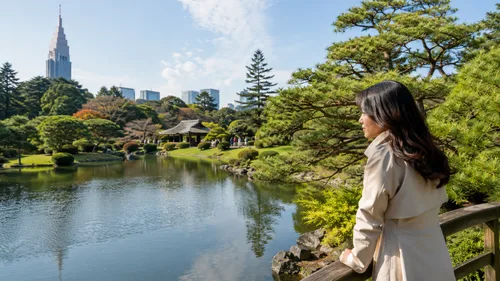
Find a quiet bench, visit the greenhouse, or enjoy a light snack from one of the small cafes. Take time to simply absorb the peaceful atmosphere.
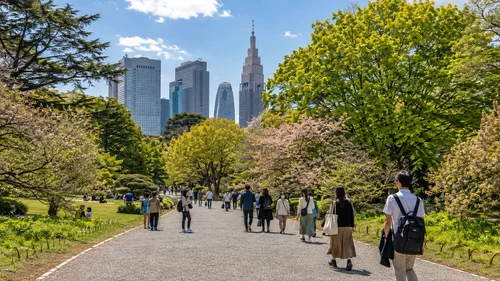
Leave through any of the three gates. Consider exploring the vibrant Shinjuku neighborhood or the indie shops near Sendagaya Station.
Nestled just a few short blocks from Shinjuku Station's electric glow, Shinjuku Gyoen National Garden offers a breathtaking contrast to its vibrant surroundings. This sprawling urban oasis invites you to step into a world of meticulously sculpted landscapes, serene ponds, and an incredible diversity of plant life. It is a place where hurried footsteps slow, and the city's symphony fades into the rustle of leaves.
Originally an imperial garden dating back to 1906, and later opened to the public, Gyoen seamlessly blends three distinct garden styles: traditional Japanese, formal French, and picturesque English. Each section offers a unique visual experience, from the tranquil tea houses and meticulously pruned pines of the Japanese garden to the grand, symmetrical flowerbeds of the French parterre. It is a testament to Tokyo's ability to hold both modernity and timeless beauty in perfect balance.
Whether you are seeking a quiet moment of reflection, a leisurely stroll amidst seasonal blooms, or a perfect picnic spot, Shinjuku Gyoen delivers. This guide will help you navigate its paths, discover its hidden corners, and truly appreciate the quiet grandeur of one of Tokyo's most beloved green spaces.
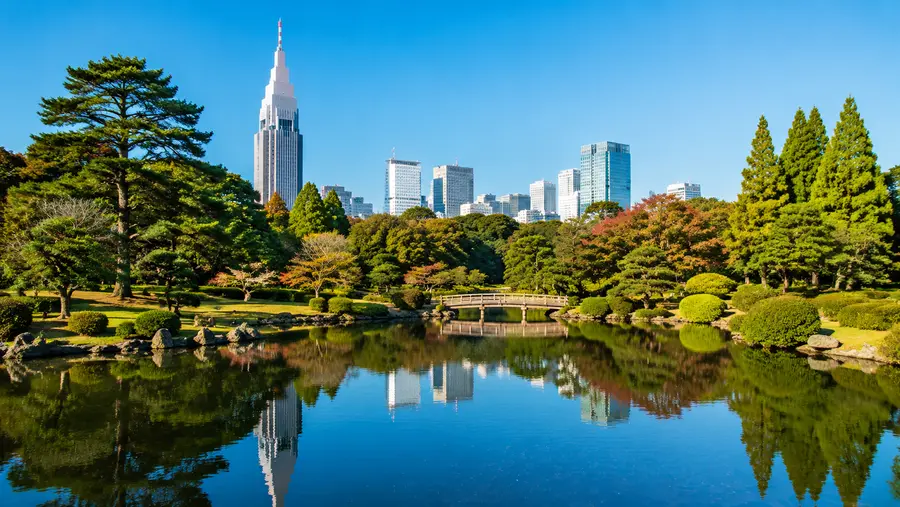
Absolutely stunning, especially the Japanese garden section. It felt like stepping into a different world, miles away from the Shibuya crowds. The greenhouse was a lovely surprise too.
Beautiful park, very well maintained. We went during autumn and the colours were just incredible. It gets a bit busy around lunchtime, but still plenty of space to find a quiet corner.
A true gem right in the city. I love coming here for a peaceful morning walk, especially on weekdays. The different garden styles are all so distinct and wonderfully executed.
My favourite green space in Tokyo. The sheer scale and variety of the planting are impressive. We spent hours just wandering and taking photos, highly recommend a picnic.
Compare options and book directly below.
General admission for visitors aged 15 and above. Grants full access to all garden areas and facilities during opening hours.
Reduced admission for visitors 65 years and older, or students with a valid school identification card. Full garden access included.
Children aged 14 and under enter free of charge. No ticket purchase is required for young visitors.
Everything you need to know before visiting Shinjuku Gyoen.
Hours: Typically open from 9:00 AM. Closing times vary seasonally: 4:30 PM (October 1 - March 14), 6:00 PM (March 15 - June 30 and August 21 - September 30), and 7:00 PM (July 1 - August 20). Last entry is 30 minutes before closing. The garden is closed on Mondays (or the following weekday if Monday is a public holiday) and from December 29 to January 3. It is open daily during cherry blossom season (March 25 - April 24) and the Chrysanthemum Exhibition (November 1 - November 15). During special events like Sakura Night Garden, hours may extend to 10:00 PM.
| Adult Standard (Per person, at gate) | ¥500 |
| Senior/Student (Valid ID required) | ¥250 |
| Child Admission (Ages 0-14) | Free |
📍 11 Naito-machi, Shinjuku-ku, Tokyo 160-0014, Japan
See it before you go.

Worth combining with your Shinjuku Gyoen visit.
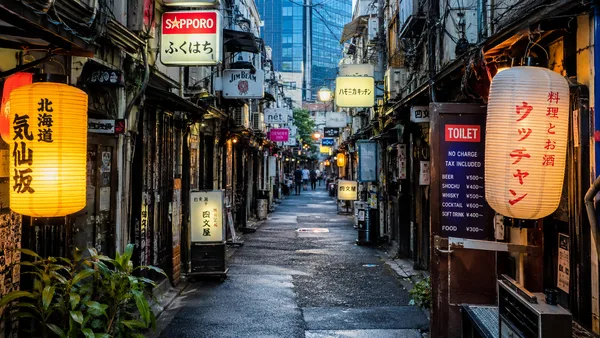
A compact area packed with tiny, atmospheric bars, perfect for an evening drink after your garden visit.

An iconic luxury department store offering high-end fashion, exquisite food halls, and unique Japanese goods.
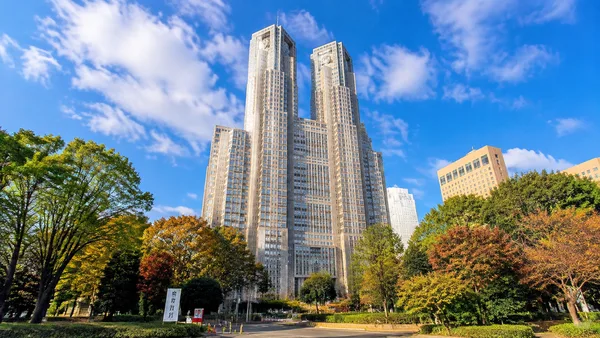
Offers free panoramic views of Tokyo from its observation decks, including Mount Fuji on clear days.
Shinjuku Gyoen welcomes all visitors with accessibility features and family-friendly amenities.
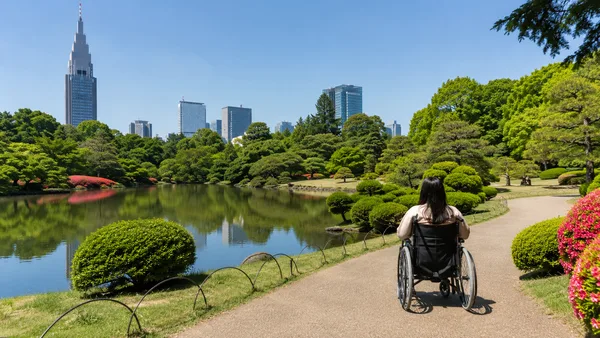
Shinjuku Gyoen is largely barrier-free and wheelchair accessible. All three public entrances (Shinjuku Gate, Sendagaya Gate, Okido Gate) are step-free. Loan wheelchairs are available for free at each entrance gate and service center. Main paths through the French formal garden, English landscape garden, and perimeter circuit are sealed asphalt or compacted gravel. The Japanese garden uses compacted gravel on a sealed base, with some unsealed side paths that can be avoided. Wheelchair-accessible restrooms with multipurpose booths and diaper-changing tables are available throughout the grounds. Universal Design (UD) maps are provided, indicating paths, slopes, steps, and barriers. Barrier-free routes from nearby stations are also available. Some areas, such as the Okido rest area, Old Imperial Rest House, Japanese traditional garden, and Tamamo Pond, may have limited accessibility due to steps or unsealed paths.
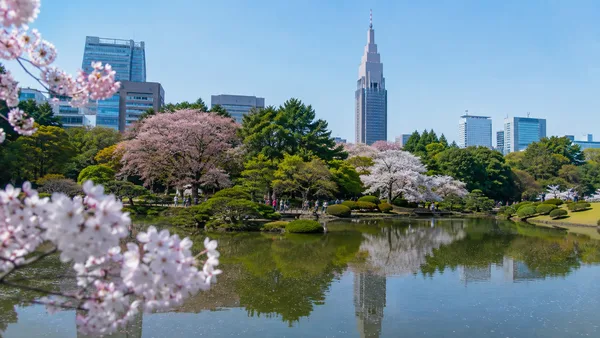
Shinjuku Gyoen is highly recommended for families with babies and young children. Children aged 15 and under enter free. The garden features wide open lawns, smooth paved paths, and clean facilities, making it stroller-friendly with wide, step-free paths. Nursing rooms and diaper-changing facilities are available in various locations. While there is no dedicated play equipment, the expansive open spaces are suitable for families. It is advisable to avoid public transport during rush hour when traveling with strollers.
Signage throughout the garden includes English translations. Ticket machines also offer multiple language options for ease of purchase.
All three public entrances are step-free, with the Shinjuku Gate and Sendagaya Gate at street level, and the Okido Gate having a short ramp. Inside the garden, most paths are asphalt or concrete, but some areas have uneven surfaces (gravel) and steps. However, accessible paths and slopes are available around these steps. Elevators are provided at major train stations for accessible routes to the garden. The Universal Design map highlights the locations of slopes, steps, and stairs within the garden.
Dive deeper into Shinjuku Gyoen.
Discover Shinjuku Gyoen's hidden gems: explore the lush shinjuku gyoen greenhouse, picnic spots, running routes, and …
Continue Reading →
Discover how to get to Shinjuku Gyoen with ease. Learn about the nearest stations, entrance gates, and best routes from …
Continue Reading →
Step into the world of Makoto Shinkai's anime! Explore Shinjuku Gyoen and the iconic spots from The Garden of Words. …
Continue Reading →
Experience the vibrant Shinjuku Gyoen autumn leaves. Discover peak times, best spots, and practical tips for fall …
Continue Reading →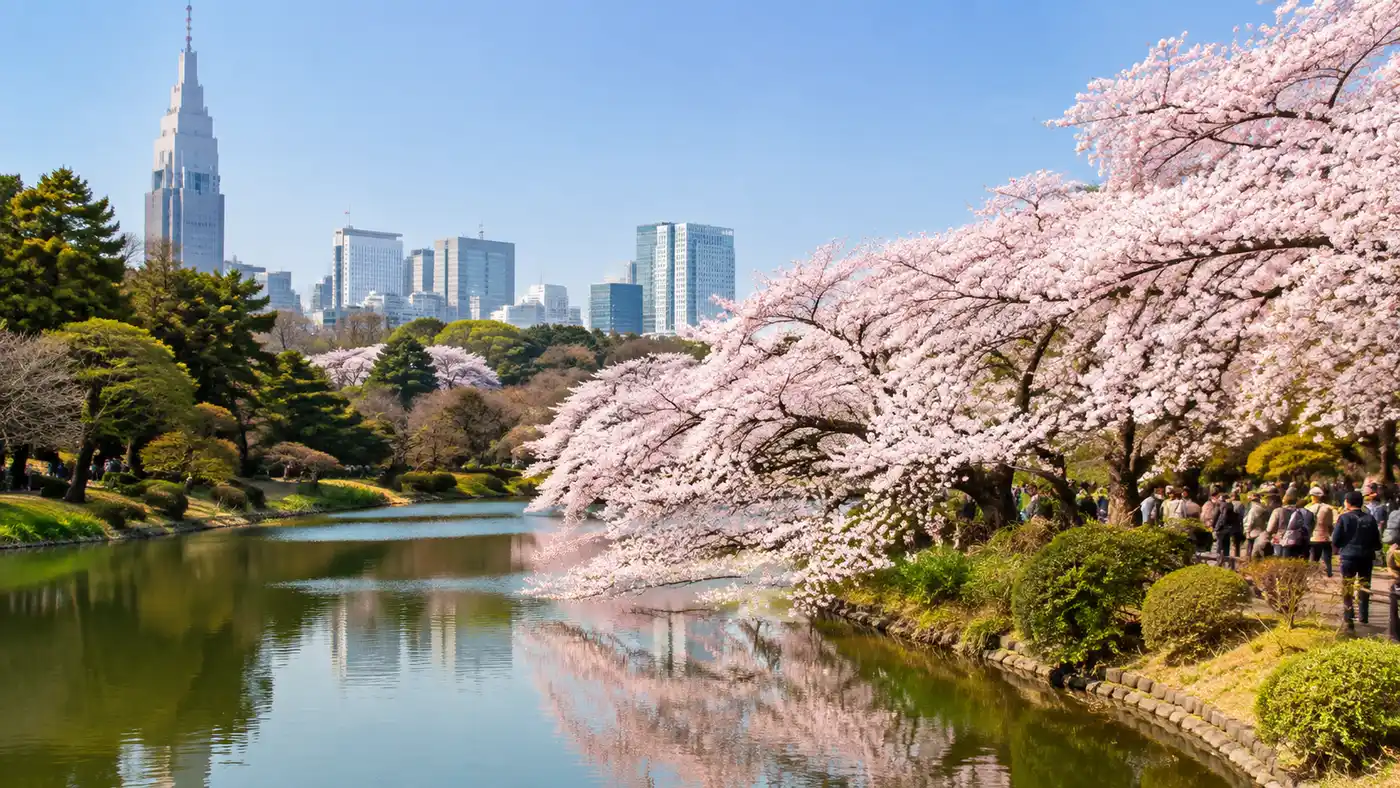
Experience the magic of Shinjuku Gyoen cherry blossom season. Discover the best viewing spots, tree varieties, and tips …
Continue Reading →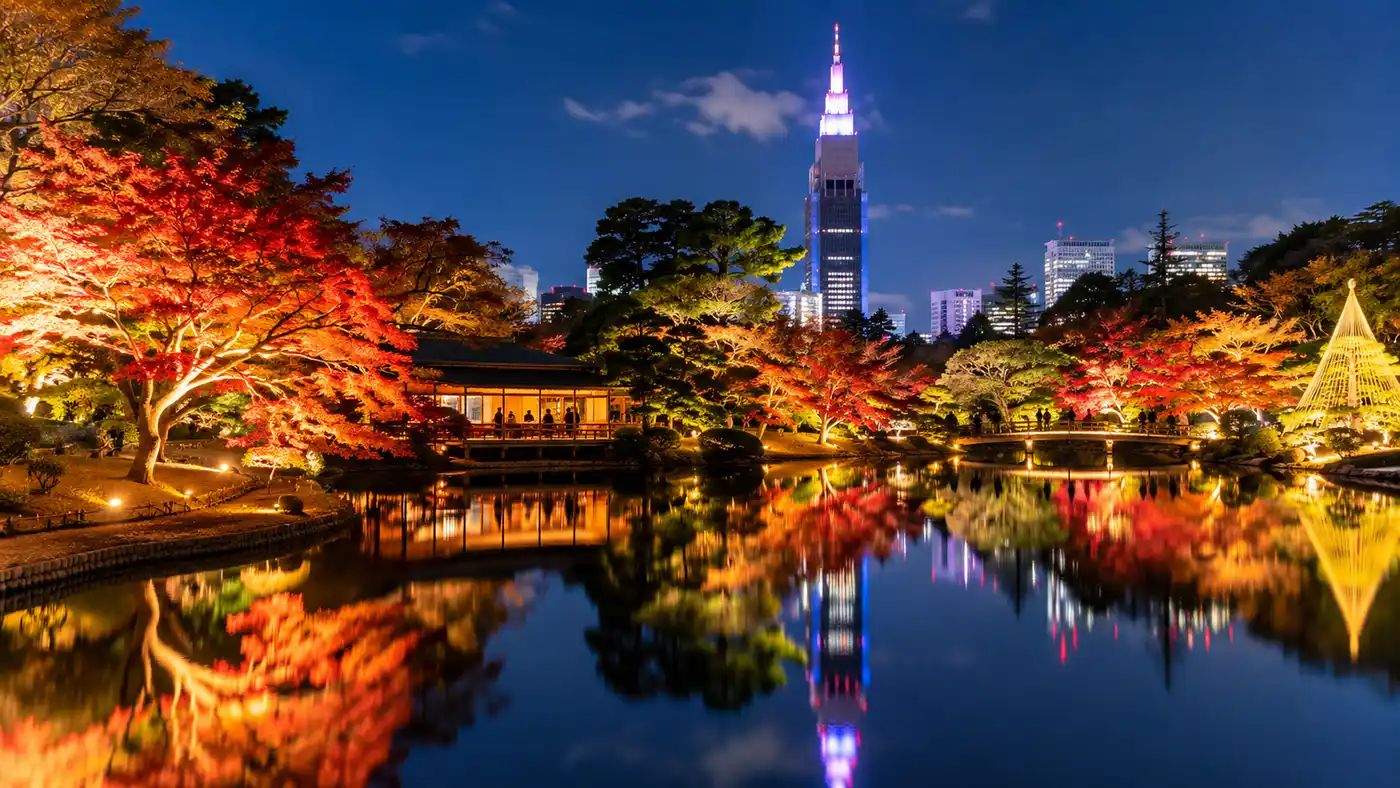
Experience the magic of Shinjuku Gyoen night illumination. Discover seasonal light shows, cherry blossom night gardens, …
Continue Reading →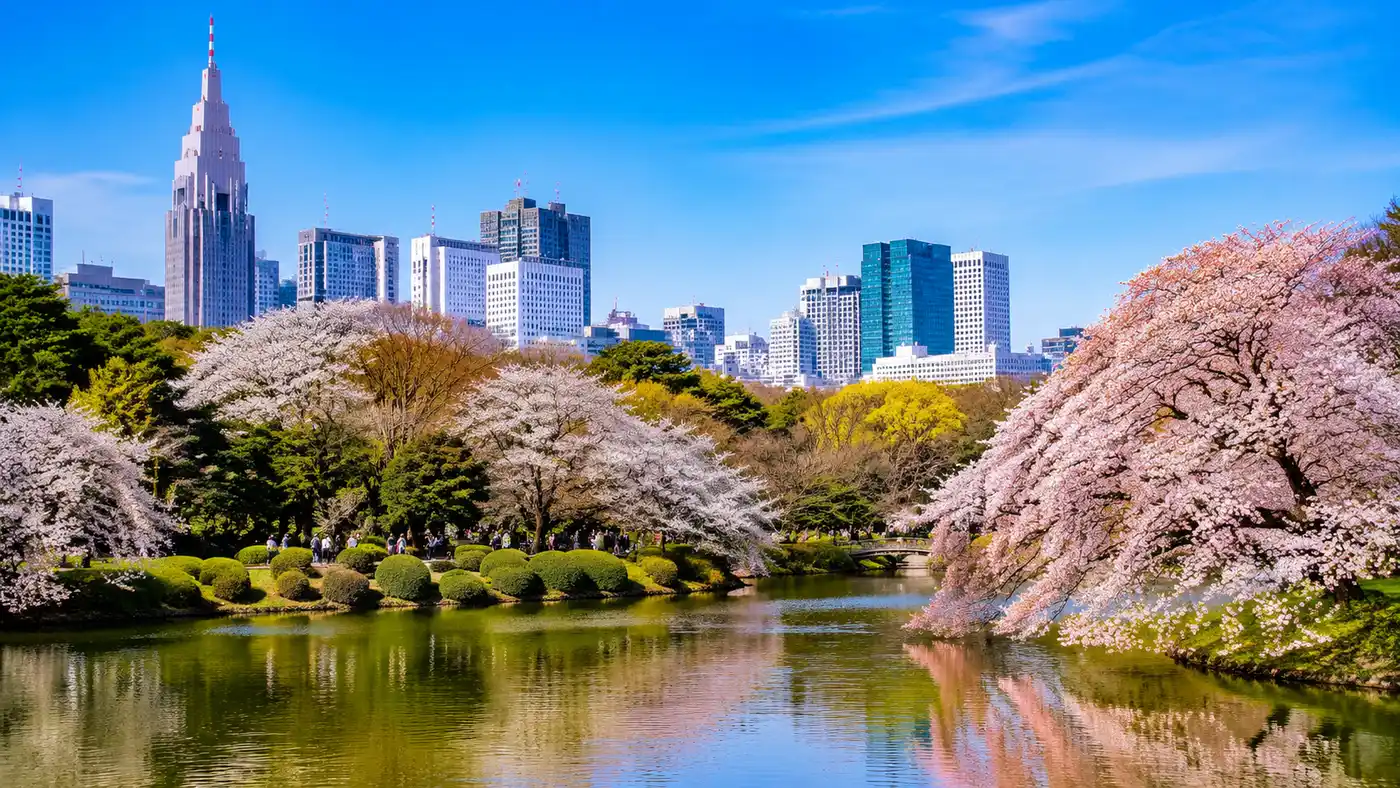
Plan your visit to Shinjuku Gyoen National Garden. Discover the current Shinjuku Gyoen opening hours, seasonal changes, …
Continue Reading →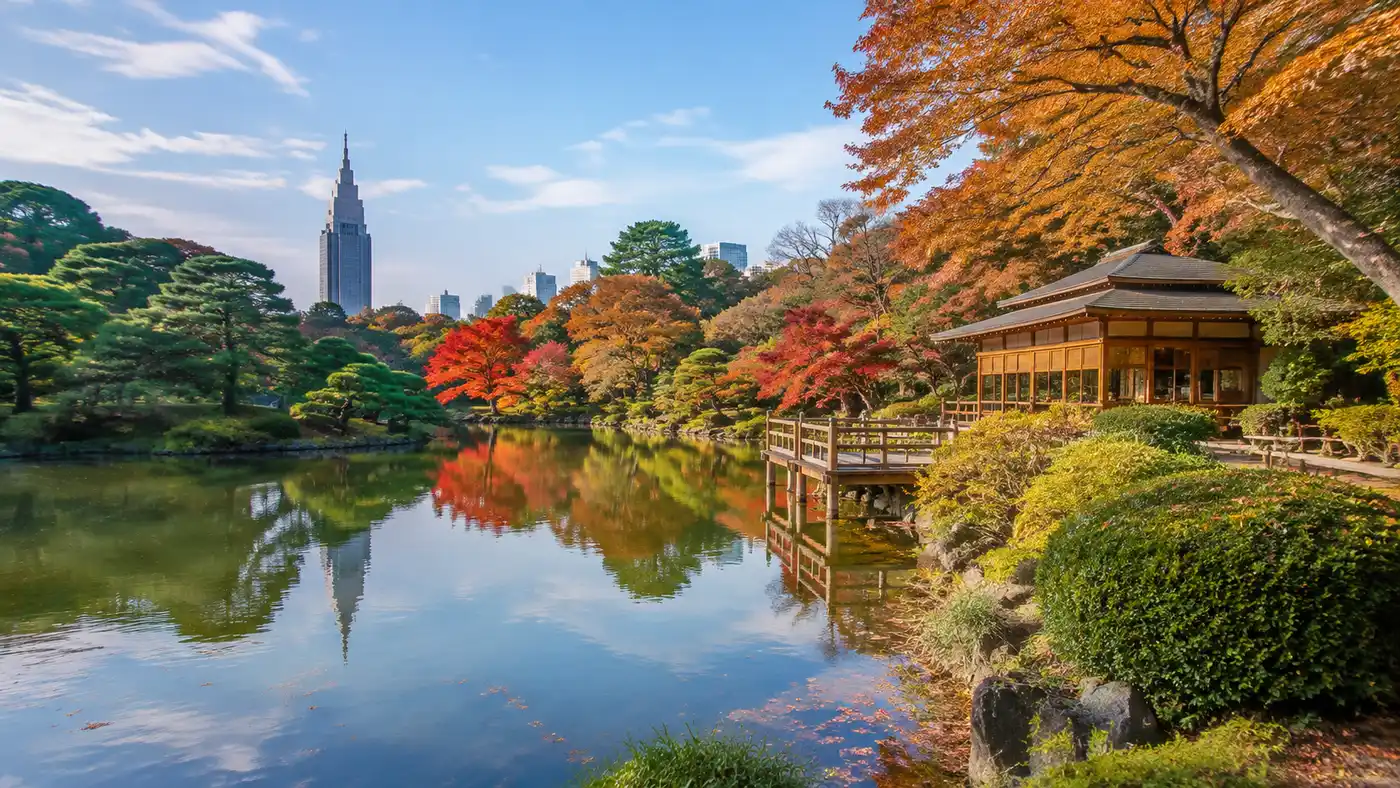
Discover the serene shinjuku gyoen tea house and the historic Taiwan Pavilion within Shinjuku Gyoen National Garden, …
Continue Reading →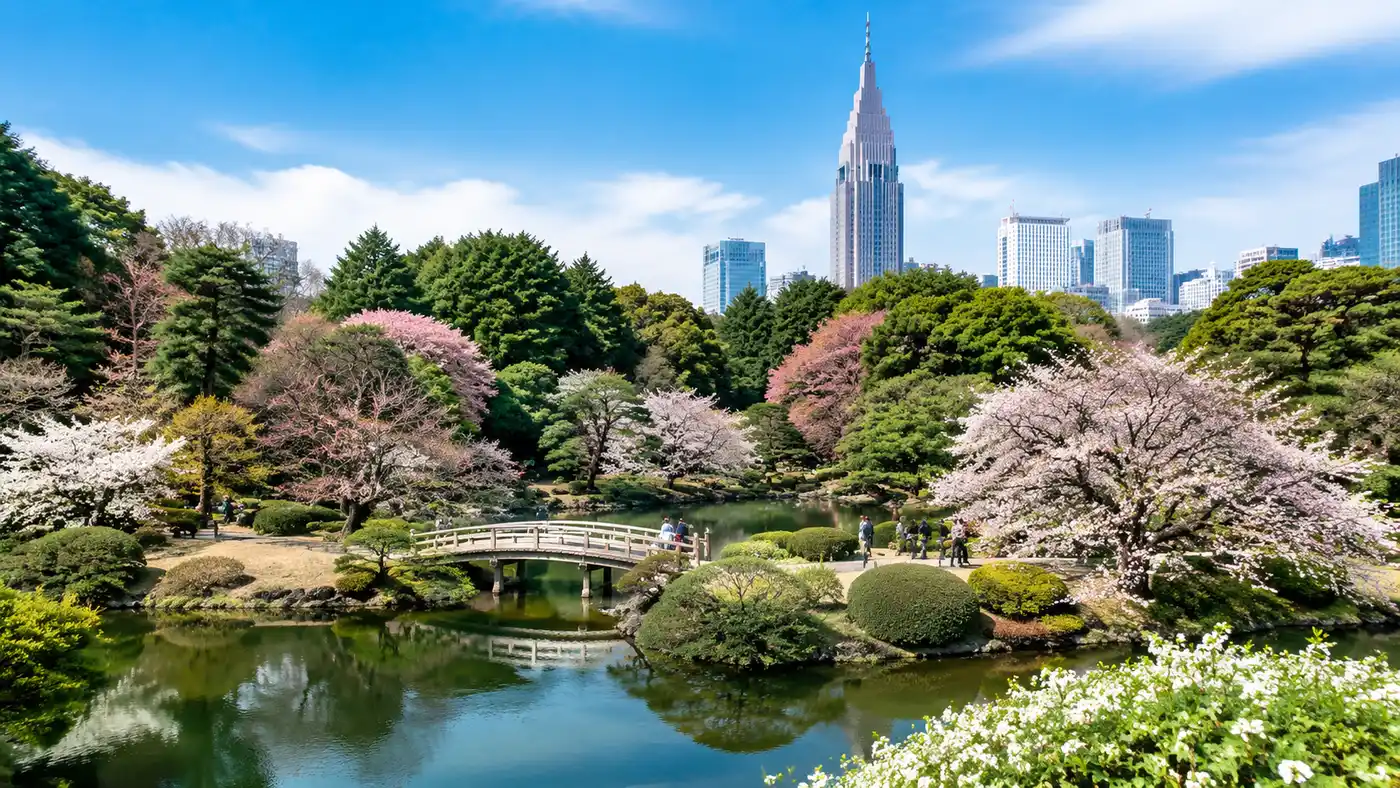
Discover the quiet beauty of Shinjuku Gyoen in winter, or explore its vibrant spring, summer, and autumn displays. Find …
Continue Reading →Common questions about Shinjuku Gyoen.
Adult admission costs ¥500. Seniors (65+) and students pay ¥250, and children aged 14 and under enter for free. Remember to bring ID for reduced rates.
Most visitors spend between 1.5 to 3 hours exploring the gardens. If you plan to picnic or visit the tea house, you might want to allow for a longer, more leisurely afternoon.
Yes, you are welcome to bring your own food and non-alcoholic beverages for a picnic. Alcohol is not permitted, and there are designated picnic areas.
Yes, the garden is largely wheelchair-friendly with paved paths and gentle slopes. Accessible restrooms are available, and rental wheelchairs might be an option at the gates.
Shinjuku Gyoen is primarily a tranquil botanical garden with diverse landscapes, while Ueno Park is more of a cultural hub, housing museums, a zoo, and temples. Gyoen is generally quieter and more focused on natural beauty.
Peak cherry blossom season typically runs from late March to early April. Shinjuku Gyoen has a variety of cherry trees, so you might catch some blooms even outside the peak window.
No, pets are not permitted inside Shinjuku Gyoen National Garden, with the exception of service animals. This helps maintain the cleanliness and tranquility of the space.
While there aren't regular official guided tours, you can often find volunteer guides near the main gates who offer informal walks or information in English. Check at the information desk upon arrival.
Dive into our detailed guides, discover hidden spots, and make the absolute most of your trip to this unparalleled urban sanctuary.