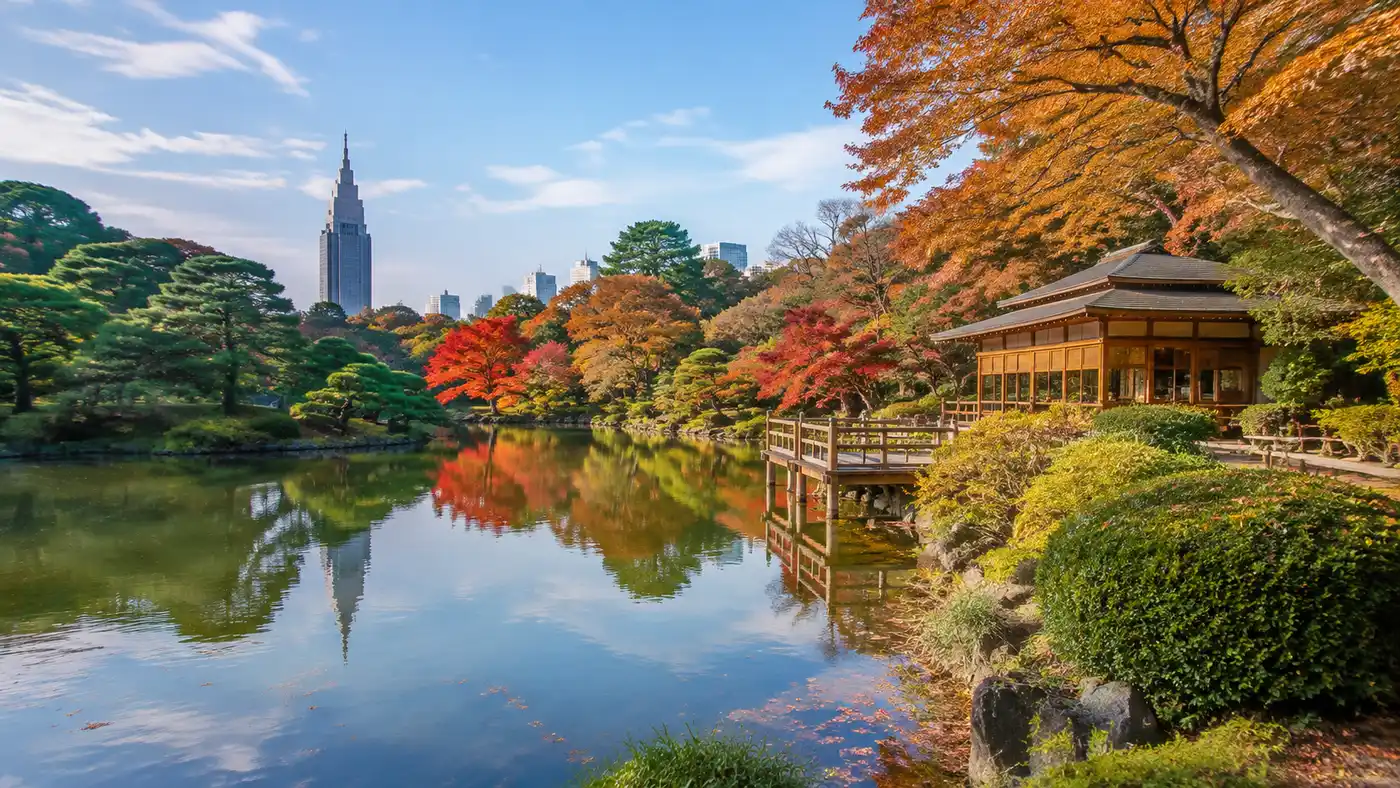
Shinjuku Gyoen Tea House & Gardens
Stepping into Shinjuku Gyoen National Garden feels like discovering a secret world, miles away from the neon glow and frenetic pace of Tokyo. It is a true urban oasis. Among its sprawling landscapes, the shinjuku gyoen tea house experience offers a moment of profound tranquility, a chance to slow down and truly savor a piece of traditional Japanese culture.
You might imagine a simple structure, but there is more to it than just one spot for tea. The garden actually has a couple of distinct places where you can either participate in a tea ceremony or simply appreciate the architecture and history of a traditional tea-related building. We will dive into what makes these spots special, what you can expect, and how to best integrate them into your visit to this magnificent Tokyo park.
Book your Shinjuku Gyoen experience:
The Rakuu-tei Tea House and Japanese Garden Serenity
The heart of the traditional Japanese Garden within Shinjuku Gyoen is where you will find the Rakuu-tei tea house. This is the spot for an actual, authentic tea ceremony. It sits so gracefully by a pond, surrounded by meticulously pruned pines and the gentle curve of stone lanterns. Honestly, the setting alone is worth the small effort to find it.
Entering the Rakuu-tei, you are immediately enveloped in a quiet reverence. The wooden structure, with its sliding paper screens, feels ancient and calming. I remember the scent of tatami mats and fresh matcha, a really distinct smell. This isn't just about drinking tea; it is about the entire ritual, the quiet movements of the host, the delicate bowl, the perfectly prepared sweet.
Pro tip: Aim to visit the Rakuu-tei tea house early in the day, maybe around 10:30 AM. It often gets busier later on, and the quiet atmosphere is definitely part of the magic. You might even have the place mostly to yourself for a few precious minutes.
The shinjuku gyoen tea ceremony here is a stripped-down, accessible version, perfect for visitors. You do not need any prior knowledge of tea etiquette. Just sit, observe, and enjoy the moment. They serve matcha with a wagashi, a traditional Japanese sweet, designed to complement the slightly bitter tea. It usually costs about 700 yen for the set. This simple pleasure is something I think everyone visiting the Shinjuku Gyoen Japanese Garden should try at least once.
Exploring the Taiwan Pavilion - Kyu Goryo-tei
A little further into the Japanese Garden, on a picturesque promontory overlooking the pond, stands another unique structure: the Taiwan Pavilion, officially known as Kyu Goryo-tei. This building is a truly striking sight, quite different from the subtle elegance of Rakuu-tei. It was a gift from the Japanese residents of Taiwan to Emperor Showa on the occasion of his marriage in 1927. The architecture blends traditional Taiwanese and Japanese styles, creating something quite distinct within the larger shinjuku gyoen national garden.
The Taiwan Pavilion shinjuku gyoen is not a place for a formal shinjuku gyoen tea ceremony, but it is a fantastic spot to simply sit and enjoy the view. You can step inside, remove your shoes, and relax on the tatami mats. The large open windows frame the garden beautifully, offering panoramic vistas of the pond, the distant skyscrapers, and the meticulously maintained landscape. It is a perfect spot for reflection, or to take some truly beautiful photos, especially in the spring or autumn.
Note: While it is called a pavilion, and associated with tea culture, the Kyu Goryo-tei does not offer actual tea service or ceremonies. Its primary purpose now is as a scenic resting spot and an architectural landmark within the Japanese gardens.
I remember spending a good 40 minutes just sitting there, watching a heron fish in the pond. It was incredibly peaceful. The blend of cultures in its design is fascinating; you can definitely see the influences. This building really adds another layer to the experience of the shinjuku gyoen national garden japanese gardens tokyo, showing a different facet of historical connections and aesthetic sensibilities.
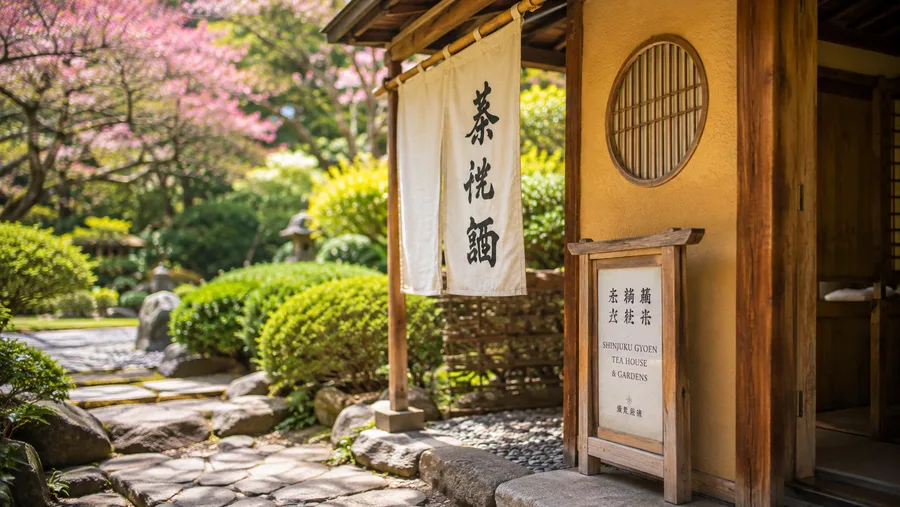
A Moment of Calm - The Shinjuku Gyoen Tea House Experience
Visiting a shinjuku gyoen tea house is about more than just the beverage. It is an immersion into a particular kind of Japanese aesthetic, one that values simplicity, quiet, and a deep appreciation for nature. The Rakuu-tei, with its humble setting, embodies this perfectly. You sit on the floor, maybe feel the cool breeze through the open screens, and listen to the gentle sounds of the garden outside.
The experience forces you to slow down. In a city like Tokyo, where everything moves at a frantic pace, finding these pockets of calm is really important. The shinjuku gyoen park tea ceremony is a brief escape, a meditative pause in your day. It is an opportunity to practice mindfulness, if only for 15 or 20 minutes. I think it makes the rest of your visit to the expansive Shinjuku Gyoen National Garden even more impactful.
Here are some things to keep in mind for your visit to the shinjuku gyoen and tea house:
- No reservations needed: You just walk up to the Rakuu-tei tea house during its operating hours and join the queue, if there is one.
- Cash preferred: While some places in Japan are becoming more card-friendly, it is always a good idea to have some yen ready for small purchases like tea.
- Shoes off: You will need to remove your shoes before entering the Rakuu-tei and the Taiwan Pavilion. Wear socks that you are comfortable showing.
- Quiet reflection: Maintain a respectful, quiet demeanor inside both structures. It is a place for contemplation, not loud conversation.
Book your Shinjuku Gyoen experience:
Beyond the Tea Houses - Exploring Shinjuku Gyoen National Garden
While the shinjuku gyoen tea houses offer a focal point for cultural immersion, the surrounding Shinjuku Gyoen National Garden itself is a masterpiece of landscape design. It blends three distinct styles - Japanese Traditional, French Formal, and English Landscape - into a harmonious whole. After your serene tea experience, you can wander through the meticulously manicured French Garden, with its rose beds and geometric patterns, or get lost in the sprawling, naturalistic English Garden.
The sheer size of the shinjuku gyoen gardens means you could easily spend half a day, or even a full day, exploring. There are so many hidden corners, different plant species, and lovely views to discover. It is a wonderful place for a picnic, a leisurely stroll, or just to sit on a bench and people-watch. I always find something new, even after multiple visits. For a deeper dive into all the garden has to offer, including the impressive greenhouse, you might want to check out our article on Exploring Shinjuku Gyoen: Gardens, Greenhouse & Facilities.
The Japanese garden, where both tea structures reside, is particularly stunning in spring for cherry blossoms and autumn for vibrant foliage. But honestly, any time of year brings its own charm. Visiting the shinjuku gyoen tea house is just one of many delightful experiences you can have here.
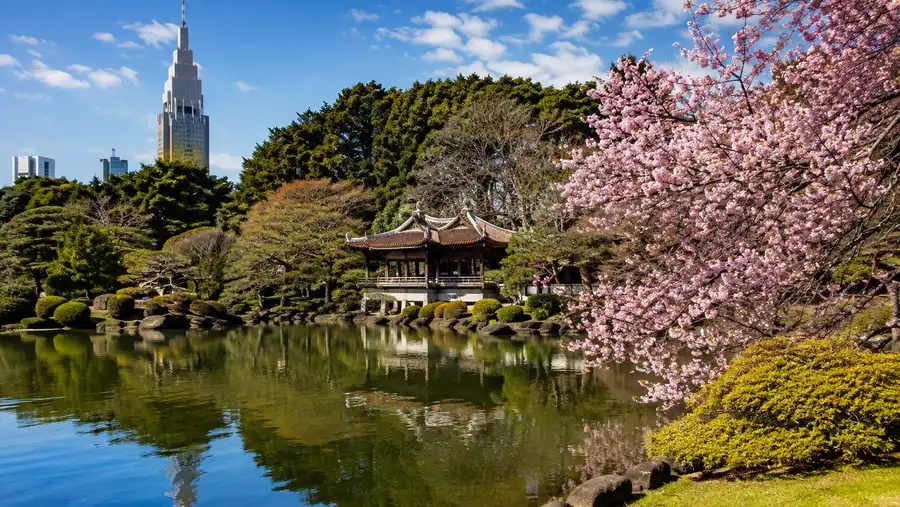
Planning Your Shinjuku Gyoen Tea House Visit
Getting to Shinjuku Gyoen National Garden is quite easy, as it is centrally located in Tokyo. The Shinjuku Gate is the most popular entrance, just a 10-minute walk from Shinjuku Station. Once inside, the Japanese Garden, and subsequently the tea houses, are well-signposted. It is a relatively flat walk, so accessible for most visitors.
Admission to the garden itself costs 500 yen for adults. The tea ceremony at Rakuu-tei is an additional charge, usually around 700 yen. The Taiwan Pavilion is free to enter once you are inside the garden. I always recommend checking the garden's opening hours before you go, as they can sometimes vary or be affected by special events. You can find up-to-date information on Shinjuku Gyoen Opening Hours & Best Time to Visit.
Here is a quick overview of the two main tea-related spots:
| Feature | Rakuu-tei Tea House | Taiwan Pavilion (Kyu Goryo-tei) |
|---|---|---|
| Location | Japanese Traditional Garden | Japanese Traditional Garden, pondside |
| Purpose | Authentic tea ceremony | Scenic resting spot, architectural appreciation |
| Experience | Matcha tea and wagashi sweet | Views, quiet contemplation |
| Cost (approx.) | 700 JPY (in addition to garden entry) | Free (after garden entry) |
| Architecture | Traditional Japanese wooden tea house | Blend of Taiwanese and Japanese styles |
Allow yourself enough time. The garden is big, and rushing through it to get to the shinjuku gyoen park tea house would be a shame. Give yourself at least two and a half hours for a relaxed visit, including a tea experience.
Frequently Asked Questions about shinjuku gyoen tea house
Is there an actual tea ceremony at Shinjuku Gyoen?
Yes, you can experience a traditional, simplified tea ceremony at the Rakuu-tei tea house located within the Japanese Traditional Garden of Shinjuku Gyoen National Garden.
How much does the tea ceremony cost?
The tea ceremony at Rakuu-tei typically costs around 700 yen, which is in addition to the garden's general admission fee of 500 yen.
Can I just visit the Taiwan Pavilion for tea?
While the Taiwan Pavilion (Kyu Goryo-tei) is a beautiful historic building related to tea culture, it does not offer actual tea service or ceremonies. It serves as a scenic resting spot with stunning views of the garden.
Quick Reference
- Location: Shinjuku Gyoen National Garden
- Tea Houses: Rakuu-tei (ceremony), Taiwan Pavilion (views)
- Rakuu-tei Cost: ~700 JPY (plus garden entry)
- Garden Entry: 500 JPY for adults
- Best Time: Early morning
Book your Shinjuku Gyoen experience:
My Take on the Shinjuku Gyoen Tea Houses
Honestly, a visit to the shinjuku gyoen tea house, whether for a quiet matcha at Rakuu-tei or just to soak in the views from the Taiwan Pavilion, is a highlight of Shinjuku Gyoen. It offers a genuine respite from the urban buzz and connects you to a deep-seated Japanese tradition of appreciating beauty and tranquility. Do not miss it. It is a really special way to experience a quieter side of Tokyo.
Read more about Shinjuku Gyoen.